
Cooling Labor Markets and Softer Manufacturing Signal Slower Growth Into 2026
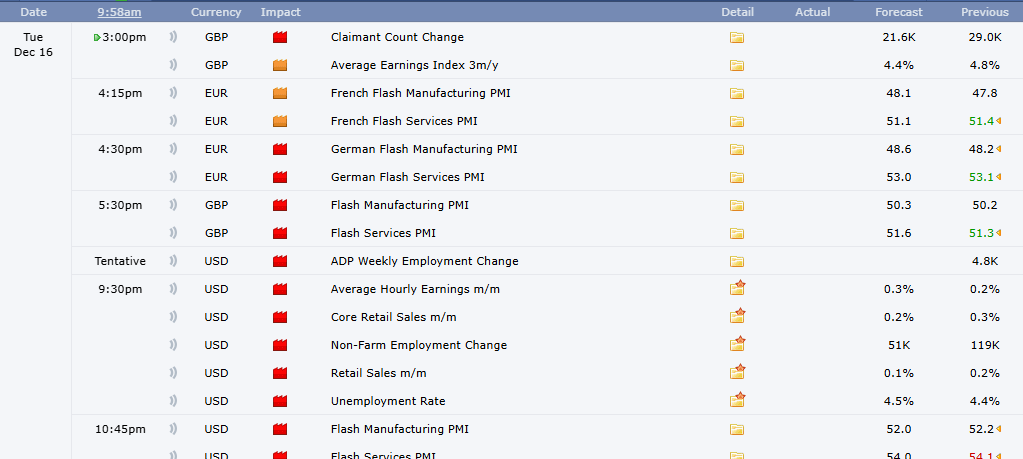
The US NFP report today is particularly important because it represents the first comprehensive look at the labor market since September, following disruption from a federal government shutdown. As a result, the release combines October and November employment data, complicating interpretation and heightening market sensitivity.
Over the past 12 months, US job growth has slowed materially. Late 2024 delivered robust payroll gains well above 200K per month, but momentum faded steadily through 2025. Hiring nearly stalled during the summer before rebounding modestly to 119K jobs in September, the last clean data point before reporting interruptions. This slowdown is consistent with declining job openings, softer hiring intentions, and cooling demand for labor across cyclical sectors.
October payrolls are expected to show a small job loss of around 10K, but this figure is largely irrelevant. The decline reflects technical distortions tied to delayed resignation dates for federal workers rather than genuine economic weakness. As such, markets will focus almost entirely on November payrolls, which are expected to show a modest recovery of around 50K jobs. Even at that level, job creation would represent a sharp slowdown from earlier in the year and reinforce the narrative of a labor market losing momentum.
The unemployment rate further complicates the picture. October’s rate will not be released at all, while November’s rate is expected to jump to 4.5%. This increase is widely seen as artificial, driven by furloughed federal employees being mechanically counted as unemployed during the shutdown reference week. As a result, investors are likely to discount the headline unemployment rate and focus instead on payroll growth and wages.
With the unemployment rate distorted, Average Hourly Earnings becomes the most important indicator for policymakers. Wage growth is expected to rise by 0.3% month-on-month, keeping annual growth near 3.5%–3.8%. While this represents moderation from prior peaks, it remains elevated enough to keep inflation risks on the Federal Reserve’s radar.
On another aspect, the PMI data from the US and Europe reinforce the same underlying message as the labor market: growth is slowing, but services remain a stabilizing force.
In the US, PMI trends over the past year have shown a clear divergence. Manufacturing activity weakened steadily through 2025 as new orders slowed, inventories adjusted, and external demand softened. Recent manufacturing PMI readings have drifted toward the 50 expansion threshold, signaling stagnation rather than outright contraction.
By contrast, US services PMI has remained firmly in expansion territory, generally in the mid-50s, supported by consumer demand and labor-intensive sectors. However, even services activity has begun to moderate from earlier highs, suggesting that overall growth momentum is cooling rather than accelerating.
European PMI data tell a similar, but more fragile, story. Over the past 12 months, Eurozone manufacturing has struggled to sustain expansion, frequently hovering near or below the 50 level. Weak export demand, subdued capital investment, and persistent cost pressures have weighed heavily on factories, particularly in core economies such as Germany and France.
Services activity in Europe has been more resilient, keeping the composite PMI marginally in expansion territory for much of the year. However, growth remains uneven across countries, and the overall recovery is delicate. Current flash PMI expectations point to Eurozone manufacturing near breakeven and services remaining modestly above 50, a combination consistent with low growth rather than a renewed expansion cycle.
Taken together, the NFP and PMI data highlight a critical policy divergence heading into 2026. Markets currently expect further rate cuts, particularly in the US, as slowing job growth and softer manufacturing activity point toward easing inflation pressures. The Federal Reserve, however, remains more cautious, projecting fewer cuts and emphasizing the need for confirmation that wage growth and inflation are sustainably moderating.
In Europe, fragile PMI readings reinforce expectations that the European Central Bank will maintain an accommodative stance for longer, as growth remains uneven and vulnerable to external shocks.
The risk for markets lies in repricing. If US payrolls and wage growth prove stronger than expected, rate-cut expectations could unwind quickly, driving volatility across bonds, currencies, and equities. Conversely, weaker employment and softer PMI readings would strengthen the case for additional easing and reinforce the market’s current bias.
Analysis by Coach Angel
——
Disclaimer: Investing is risky. Investors should study the information before making investment decisions
