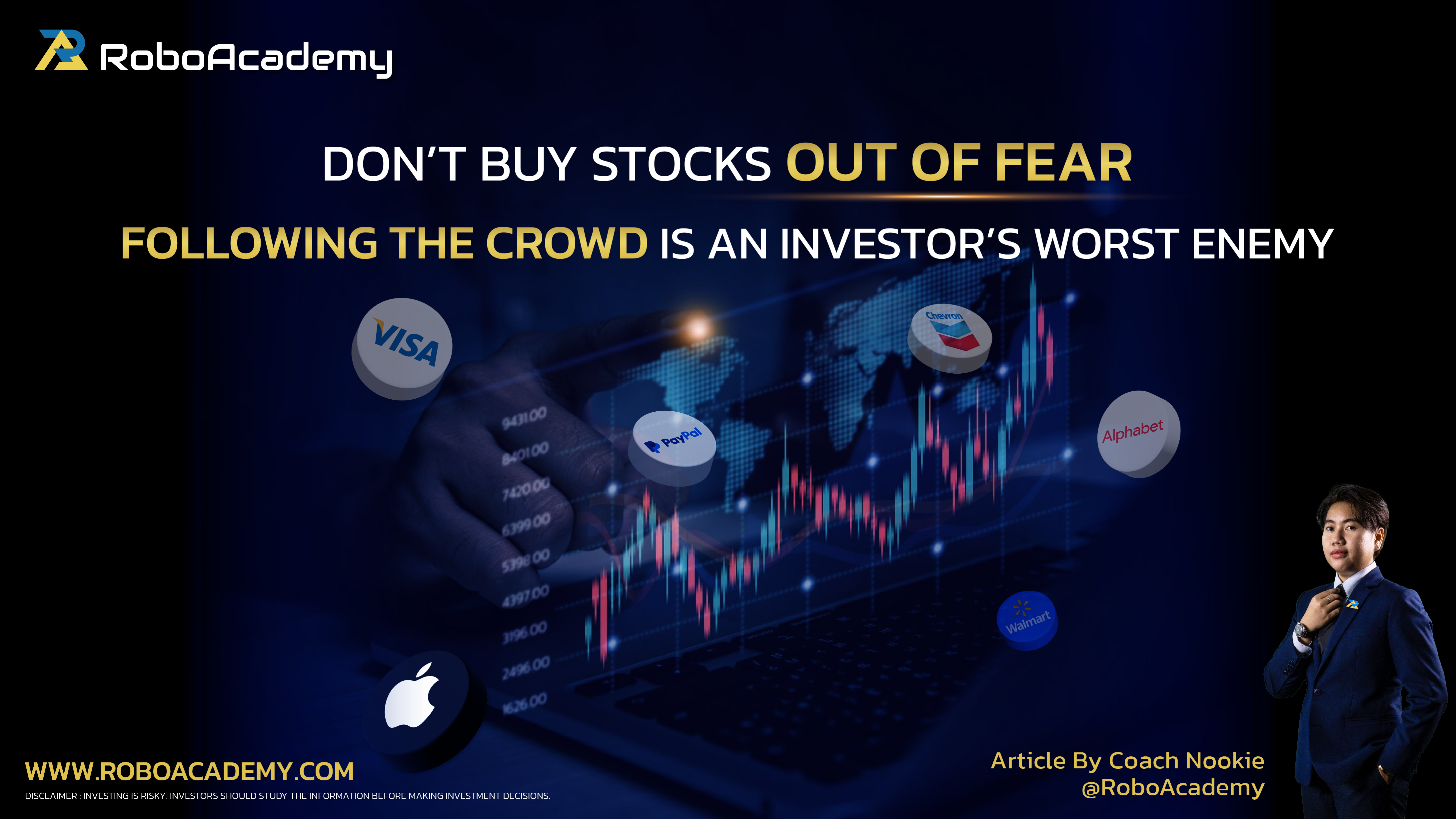
In a volatile stock market where prices change constantly, there is one emotion almost every investor has experienced: FOMO (Fear of Missing Out). This feeling arises when we see a stock that wasn’t on our radar suddenly soaring, creating the sense that we’re missing out on an opportunity. This often leads to hasty purchases without thoroughly considering the company’s fundamentals. In this article, Coach Nookie highlights the dangers of emotion-driven investing and explains why discipline is far more important than luck in the stock market.
Chasing a Rising Stock is a Trap for Beginners
When a stock’s price skyrockets in a short period, it is usually accompanied by a lot of positive news and attracts numerous investors. However, buying a stock after it has already surged, without careful research into the company’s fundamentals, is like running toward a fire that is already burning. When the fire dies down or the market suddenly corrects, those who bought during the peak are often the first to suffer heavy losses.
Why FOMO Investing is Dangerous
-
Emotion-driven decisions, not reason: Buying stocks out of fear of missing out is not based on comprehensive analysis. It stems from the desire for quick profits—a trap that novice investors frequently fall into.
-
No risk management plan: When you invest based on emotion, you lack a clear plan. If the stock price falls, you have no anchor for deciding whether to sell or hold, often leading to poor choices.
-
High risk of buying at the peak: Stocks that surge quickly are often followed by sharp corrections. Those who buy at elevated prices risk being trapped in losses in the short term.
Key Principles: Don’t Let Fear Override Reason
Overcoming FOMO is not easy, but it can be done through discipline and adherence to sound investment principles:
-
If a stock is truly strong, there will always be another opportunity: Strong companies with growth potential won’t just rise and disappear overnight. They tend to grow over the long term, providing multiple entry points during price corrections. Patience and timing are far more important than rushing in at inflated prices.
-
Return to business fundamentals: Before deciding to buy, always revisit the fundamentals: “Do I truly understand this company’s business?” and “Do I believe in its long-term growth potential?”
-
Have a clear investment plan: A structured plan prevents emotional decisions. Define entry points, profit targets, and stop-loss levels systematically to stay disciplined.
Conclusion: Successful Investing Starts with Emotional Control
Investing in the stock market is not a race to see who can make quick profits—it is about building sustainable wealth over time. The most powerful tools for achieving this are not the fastest news updates, but your own discipline and mindfulness. Next time you feel the urge to buy out of fear of missing out, pause and ask yourself: “Am I investing out of greed or reason?” Mastering your emotions is the true victory of a successful investor.
Article by Coach Nookie, RoboAcademy
——
Disclaimer: Investing is risky. Investors should study the information before making investment decisions.
