
In this article, Coach Mark will take everyone to understand a market analysis technique that greatly enhances trading accuracy, which is Multi Timeframe Analysis (MTA), or viewing the market through multiple timeframes — both the big picture and the small picture — before deciding to enter an order. This method helps us avoid relying on only one TF, but instead allows us to see both the main trend and sharper entry points, making trade planning more confident.
Why use multiple timeframes?
Using multiple timeframes is important because each TF has a different purpose. Higher timeframes help indicate the “overall direction of the market,” while lower timeframes are used to “find detailed entry and exit points.” This reduces the risk of trading against the trend and helps improve decision accuracy. Timeframe usage can be divided as follows:
-
Higher TF (Daily / H4): Used to see the main trend of the market → whether it is an uptrend or a downtrend
-
Mid TF (H1): Used to find important zones such as support–resistance or areas where price has reacted (POI)
-
Lower TF (M15 / M5): Used to wait for candlestick signals or Price Action to find the most precise entry and exit points
Example of real usage
If the Daily is clearly in an uptrend
-
On H1, the price is pulling back to a support level
-
On M15, a clear reversal candlestick appears
In this case, entering a Buy following the major trend will carry lower risk and offer a more reasonable entry point, without having to gamble against the trend and risk being dragged into a drawdown.
3-step usage principles
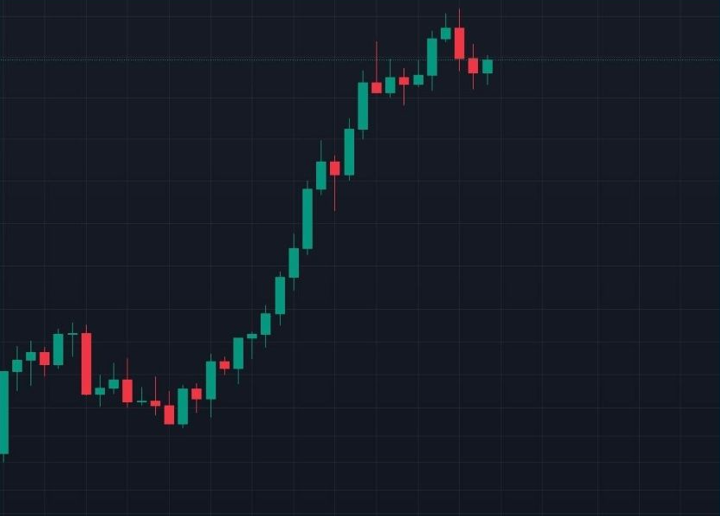
-
Start from the Higher TF to see the main trend (Daily / H4): Consider whether the main trend is up or down. If the Daily is in an uptrend, you should look only for Buy entries and avoid countertrend trades unnecessarily.
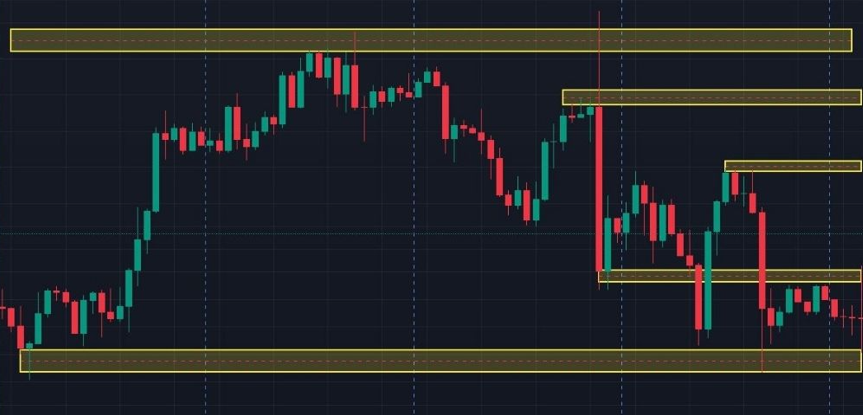
-
Move to the Mid TF to find important zones (H1): On the H1 timeframe, find support–resistance or POIs where price has reacted before. Then wait for the price to test these areas before looking for entry signals on smaller timeframes.
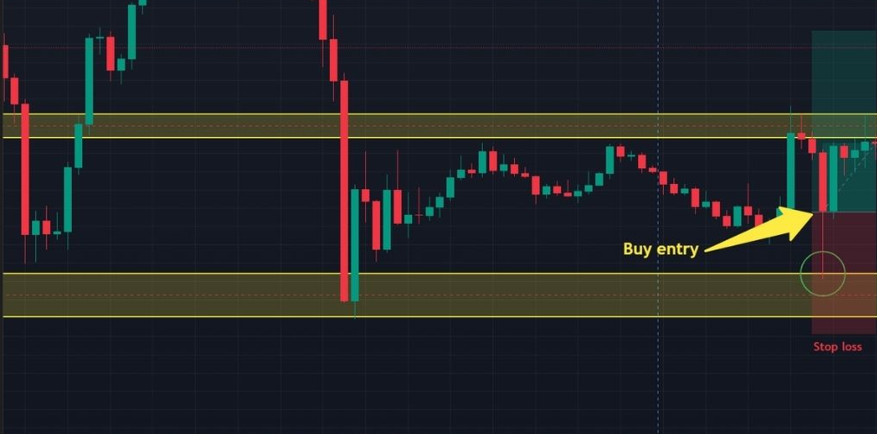
-
Go to the Lower TF to find entry signals (M15 / M5): When you see price testing important zones from the higher timeframe — such as an M15 candle showing a rejection and closing strongly bullish, indicating buying pressure — this can be used as a Buy entry point based on Price Action. Don’t forget to place the SL below the major zone on the higher timeframe to control risk.
Examples of trading styles using MTA
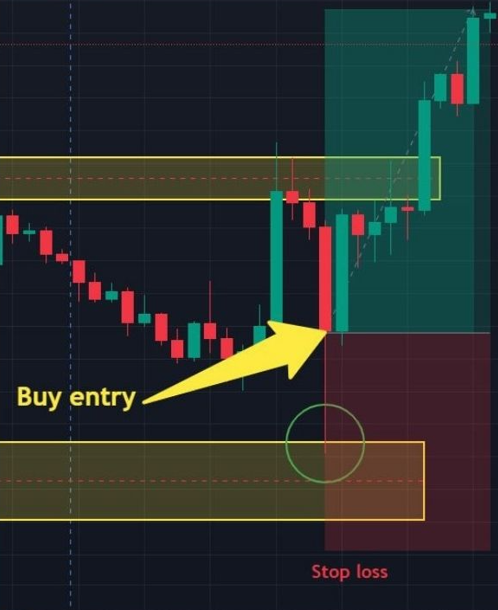
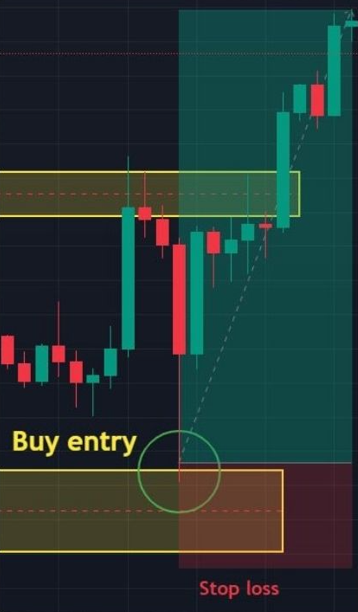
-
Conservative (low risk): Wait for clear confirmation from Price Action. Although RR may not be high and SL may be wider, it offers more confidence.
-
Aggressive (high risk): Enter immediately when the price touches the zone. This gives a higher RR and tighter SL but increases the chance of being stopped out.
Common mistakes ⚠️
-
Using too small timeframes, such as 1 minute or 30 seconds → leads to too much noise and confusion
-
Rushing into countertrend orders, e.g., market is in an uptrend but seeing a Sell signal on M15 and entering immediately → easy to get dragged intoa drawdown
-
Using too many timeframes to the point of not knowing which one to trust → you should use only 2–3 TFs, such as H4 + H1 + M15, which is sufficient
Summary
Multi Timeframe Analysis helps traders see both the “big picture” and the “important small picture” before entering an order. This allows for more accurate market analysis, more confidence in decision-making, reduced risk of countertrend trades, and more systematic and effective risk management.
Article by Coach Mark, RoboAcademy
——
Disclaimer: Investing is risky. Investors should study the information before making investment decisions.
